



Black Friday is the easiest time of year to spend money you didn't mean to. By the time the credit card statement arrives, it's easy to wonder how half the stuff in the box ended up there.
This is a budget-first playbook for the 2026 sale season. You'll learn how to set a real spending number before the sale opens, tell a genuine discount from a dressed-up one, compare the full cost of an offer, and walk away with things you actually planned to buy. Eight tips, each with one action you can take tonight.
1. USE LAST YEAR’S SPENDING TO SET YOUR BUDGET
Review last year’s holiday spending, including gifts, home essentials, hosting, tax, and shipping. Use that total as a starting point, then adjust it to this year’s needs and what you can comfortably afford. Fewer guests or a shorter gift list may mean you need less this year.
2. DIVIDE YOUR BLACK FRIDAY BUDGET
Split your total budget into separate “envelopes,” each with a spending limit. These can be categories in a note or spreadsheet rather than actual cash envelopes. For example:
-
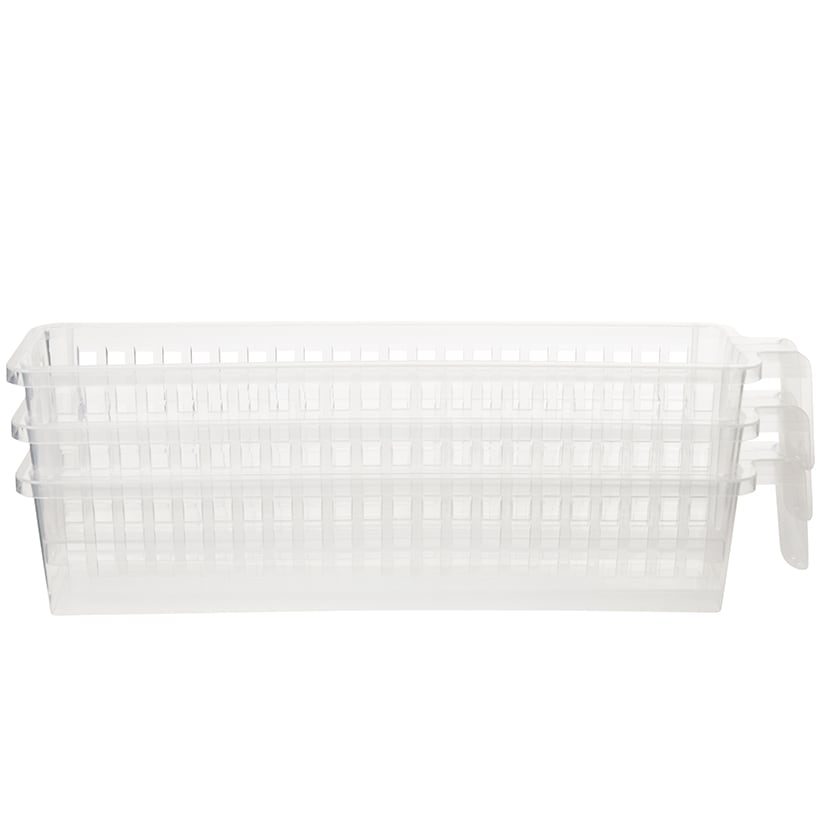
Home essentials — storage, household items, or decor you’ve planned to replace.
-
Holiday hosting — decorations, serving pieces, and groceries for gatherings.
-
Gifts — a set amount for each recipient.
-
Flex — a small reserve for unexpected needs, with the amount based on your plans.
Adjust the categories and amounts to fit your needs, keeping their combined total within your overall budget. If you increase one envelope, reduce another so your total stays the same.
3. SET A PRICE LIMIT FOR EACH ITEM
Before browsing Black Friday deals, write down the most you’re willing to pay for each item on your list. Base that limit on prices you’ve checked and the budget you’ve set aside.
For example, if your limit for a throw blanket is $30, a sale price of $40 is still over budget—even if the tag says “50% off.” Look for a suitable option within your limit or wait. Having a number written down makes it easier to decide without being swayed by the discount.
4. PLAN HOW YOU’LL PAY
Decide how you’ll pay before browsing Black Friday deals. Whether you use a debit card, credit card, or installments, count the full purchase against your budget. A small payment today can make a bigger purchase feel easier to afford, especially when several orders add up. Keep a record of any payments still due, and don’t let the option to pay later become a reason to add more to your cart.
5. PLAN WHAT TO BUY AT EACH STAGE OF THE SALE
Spread purchases across the sale season based on when you need them and the price you’re willing to pay. There’s no fixed stage when every product is cheapest, but you can give each purchase a sensible place in your plan:
-
Early sales: Prioritize gifts that need a specific size or style, decorations you’ll use soon, and items needed for early gatherings. Buy when the price meets your target and delivery timing works.
-
Main Black Friday offers: Compare prices on planned household purchases, such as storage, bedding, and kitchen essentials. If several options meet your needs, compare their final totals before choosing.
-
Later sales: Revisit optional decor or extra household items only if you still need them and have budget left.
Check the Black Friday sale schedule to see which offers apply when, rather than trying to finish your whole list on opening day.
6. CHOOSE REWARDS THAT FIT YOUR SHOPPING PLANS
Rewards for a future purchase can help your budget go further if you already plan to shop again. Before counting on them, check when they become available, when they expire, and which purchases qualify. Record today’s full payment against your budget, and apply the reward to a planned purchase when you can use it. If you don’t expect to shop again, focus on the value of your current order rather than adding purchases to earn or redeem rewards.
7. BUILD A BUNDLE AROUND WHAT YOU NEED
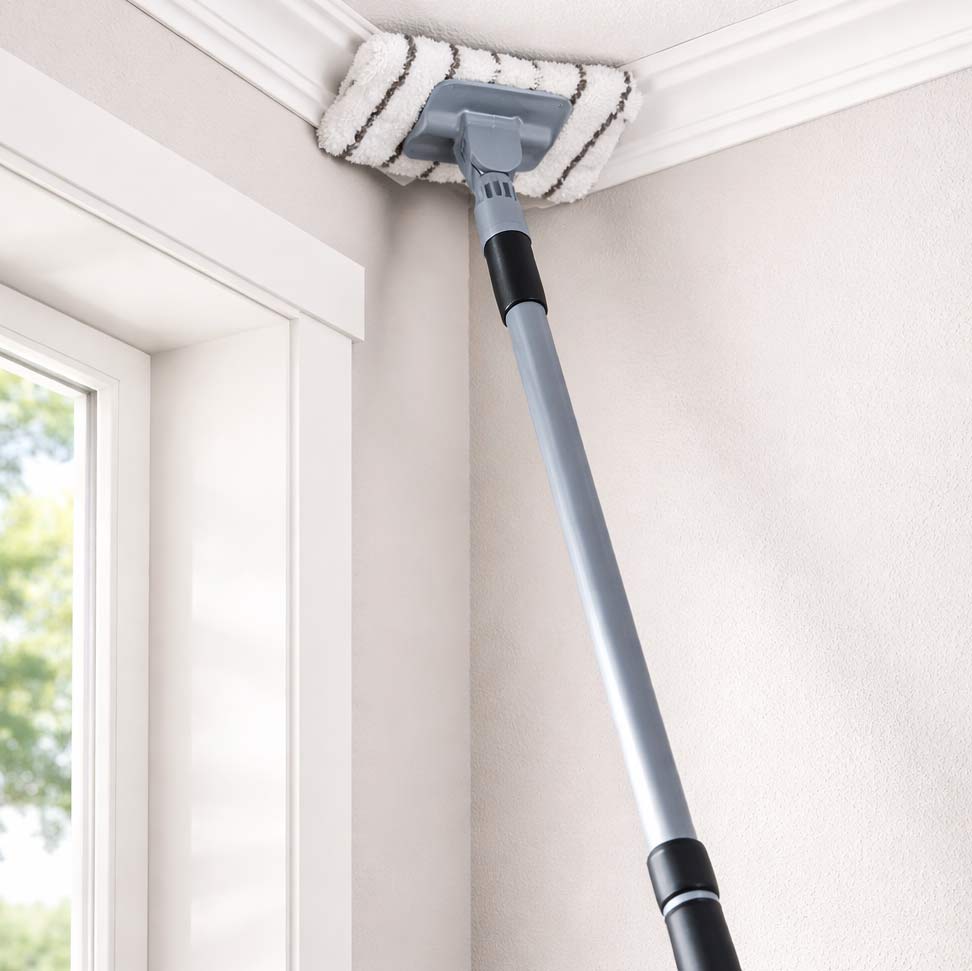
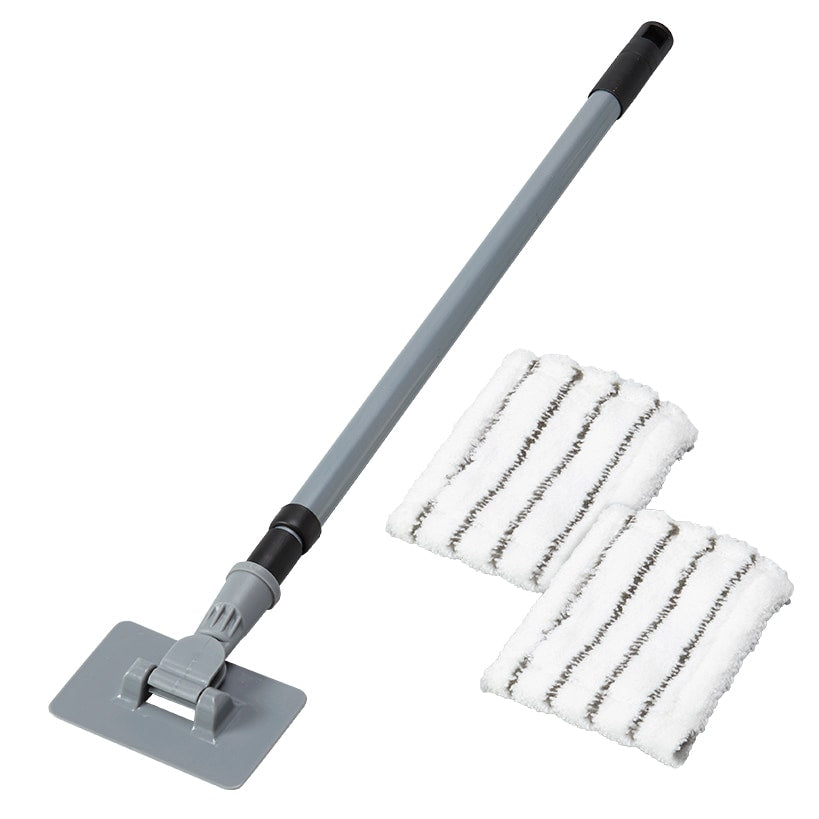
If you have several gifts or household items on your list, check whether a bundle offer includes them. Choose each item with a person or purpose in mind, then compare the bundle price with buying those items separately. A bundle can help you save on planned purchases when everything in it is useful and the total fits your budget.
8. COMPARE THE TOTAL CHECKOUT COST
A bigger discount doesn’t always mean a lower bill. When comparing the same item across stores, check the total after discounts, shipping, tax, and any extra fees. Apply eligible coupons before comparing, and make sure the size, model, and quantity match.
Before adding items to qualify for free shipping, compare the total with and without the extras. If the extra items cost more than shipping, you’ll spend more overall. Only add something if you need it and it fits your budget.
MAKE YOUR BUDGET WORK FOR YOU
A clear budget makes it easier to choose what’s worth buying this Black Friday. As you browse Black Friday offers, keep your list and remaining budget in mind. The goal is to bring home things you’ll use while leaving room for the rest of your holiday plans.





























Share:
7 Smart Black Friday Shopping Tips for 2026
Black Friday Home Deals: 5 Ways to Refresh Your Home